What I miss about the job
An honest reckoning
People are generally too polite to ask the question directly, but I can see it forming behind their eyes: why would anyone walk away from thirty years of running businesses to sit alone writing novels about people under the cosh?
It's a fair question. I've asked it of myself more than once, usually at night, thinking about a scene that refuses to work. So here's an honest answer – not the tidy, inspirational version, but the real one, with the bits I miss still attached.
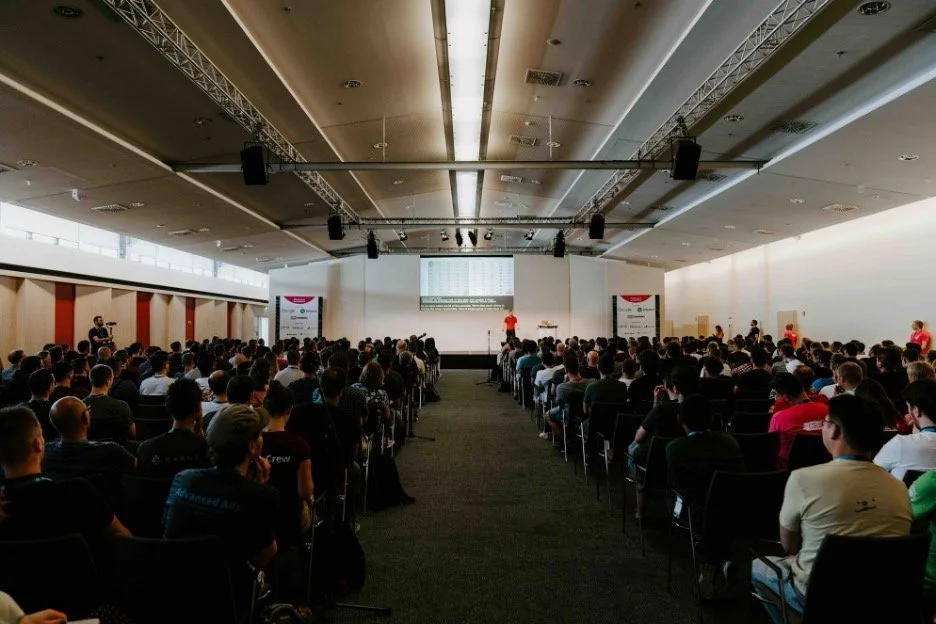
The room
For thirty years, my working life happened mostly in rooms with other people in them – across the UK, the US, and many countries around Europe. Company visits, meetings, the corridor conversation after the meeting that mattered more than the meeting itself. There was a particular energy to a room full of people: an argument sharpening into a decision, someone's stray comment evolving into strategy, the moment a team that had been circling a problem for weeks suddenly saw its way through.
Writing is different. It has a desk, a screen, and you. It’s a very solitary occupation. I don't think I fully understood, before I started, how much of my working identity had been built on that back-and-forth – on other people's minds knocking up against mine. Fiction gives you plenty of company in the sense that a novel is full of people, and sometimes they surprise you with the direction they take. But in the published version, they can only ever say what you allow them to. Try that in business and you’ll fail.
Being right and wrong out loud
Running a business means sometimes being wrong. You make a call, it doesn't work out, and the whole team watches you absorb that and adjust. It's uncomfortable in the moment, but there's something clarifying about it too – accountability in real time, decisions with consequences you can actually observe.
Writing a novel is being wrong in private, for months, before anyone else sees a word of it. I can spend six weeks convinced a plot mechanism works, only to reread it and realise it collapses under the lightest scrutiny. Nobody was in the room to catch it early. That's a different kind of discipline, and I won't pretend I've entirely made my peace with it – I miss having colleagues whose job, in part, was to call something out before it cost anything.
The measurable win
Business gives you dashboards. Revenue, customer retention, staff engagement scores, wins that a team can genuinely celebrate together. Whatever the quarter brought, you knew, with some precision, how it had gone.
Publishing offers nothing so tidy. A five-star review arrives, and it's genuinely a great feeling – and then, an hour later, you're back at the desk with a blank page that has no opinion of the five stars whatsoever. There's no dashboard for whether today's chapter was good. You simply have to trust your own instinct, and then trust it again tomorrow, and the day after that, often without any external confirmation for months at a time.
What I don't miss
In fairness to the life I chose, there's plenty from the old world I don't miss even slightly. The diary that belonged to everyone except me. Decisions made by committee, ones that nobody actually agreed with. Meetings that you were expected to attend, rather than wanted to. Neither do I miss the travel, an endless haul between airports and offices. And as for the politics… ah, the politics.
Why I wouldn't undo it
Here's the thing the room, the scoreboards, and the arguments never quite gave me: the particular quiet of finishing a scene that does exactly what I wanted it to do. Nobody applauds it. Nobody puts it in a quarterly report. But it's mine in a way that very little from the old career ever was – built alone, at a desk, out of nothing but a blank page and whatever I'd learned about people over thirty years of watching them make decisions under pressure.
That's the trade, as best I can describe it. I gave up the meetings for the page. Most days, I think I got the better deal. Some nights, at eleven o'clock, mulling over a scene that isn't working, I’m not so sure.
Over to you
If you've ever changed careers – whether by choice or otherwise – what's the thing you didn't expect to miss? I'd love to know! Drop me a line at robbie@robbievale.com.
THE SECRET LIFE and HUSBAND WIFE STRANGERS are both available now on Amazon.